Tell me what you’re working on
I’ll reply within one business day.
No newsletters.
AI
AI photos instead of a shoot: where it works and where it doesn't
AI already makes visuals you can't tell from studio work. But there's a line past which it starts to lie. Here's where I generate, where I shoot, and why the product itself is the one thing you can't invent.
2026-09-15
6 min
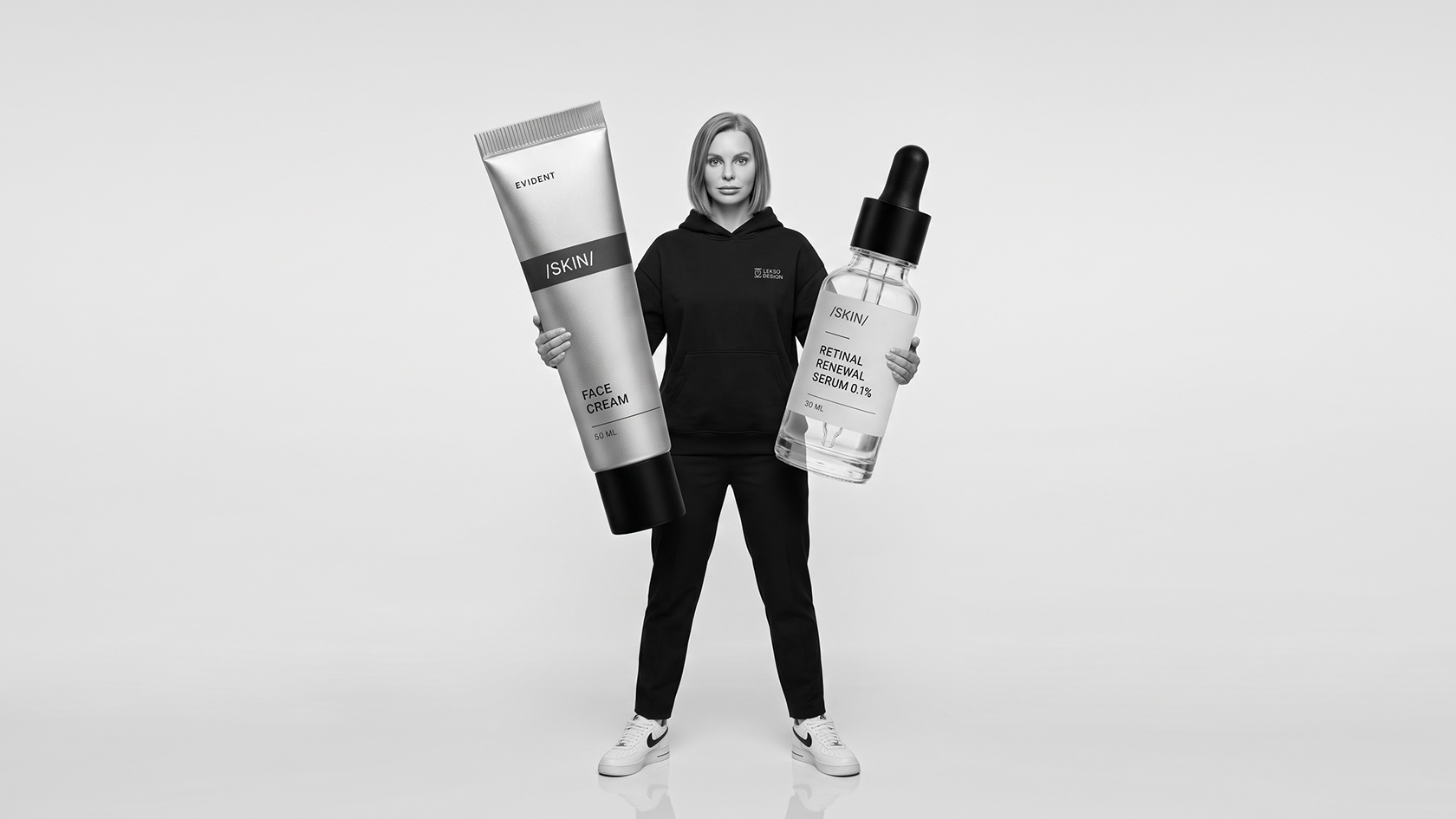
WHAT AI PHOTOGRAPHY ACTUALLY MEANS NOW
This isn't "a picture from one prompt". It's several tools and a lot of culling.
In the BARBARO project every visual is generated: portraits, product shots, textures, frames for the site and for the marketplace listings. Not a single photo shoot. The project ran to more than 2,000 generations, and only a small part of them made it into the work.
I used Midjourney, Nano Banana Pro, Seedream, Recraft, Photoshop and ChatGPT. One tool invents the scene, another fixes a detail carefully, a third cleans up and assembles.
So it's more honest to say "the visual was built without a shoot" than "AI drew it". The difference is roughly the one between "a phone took it" and "a photographer took it on a phone".
WHERE IT BEATS A SHOOT
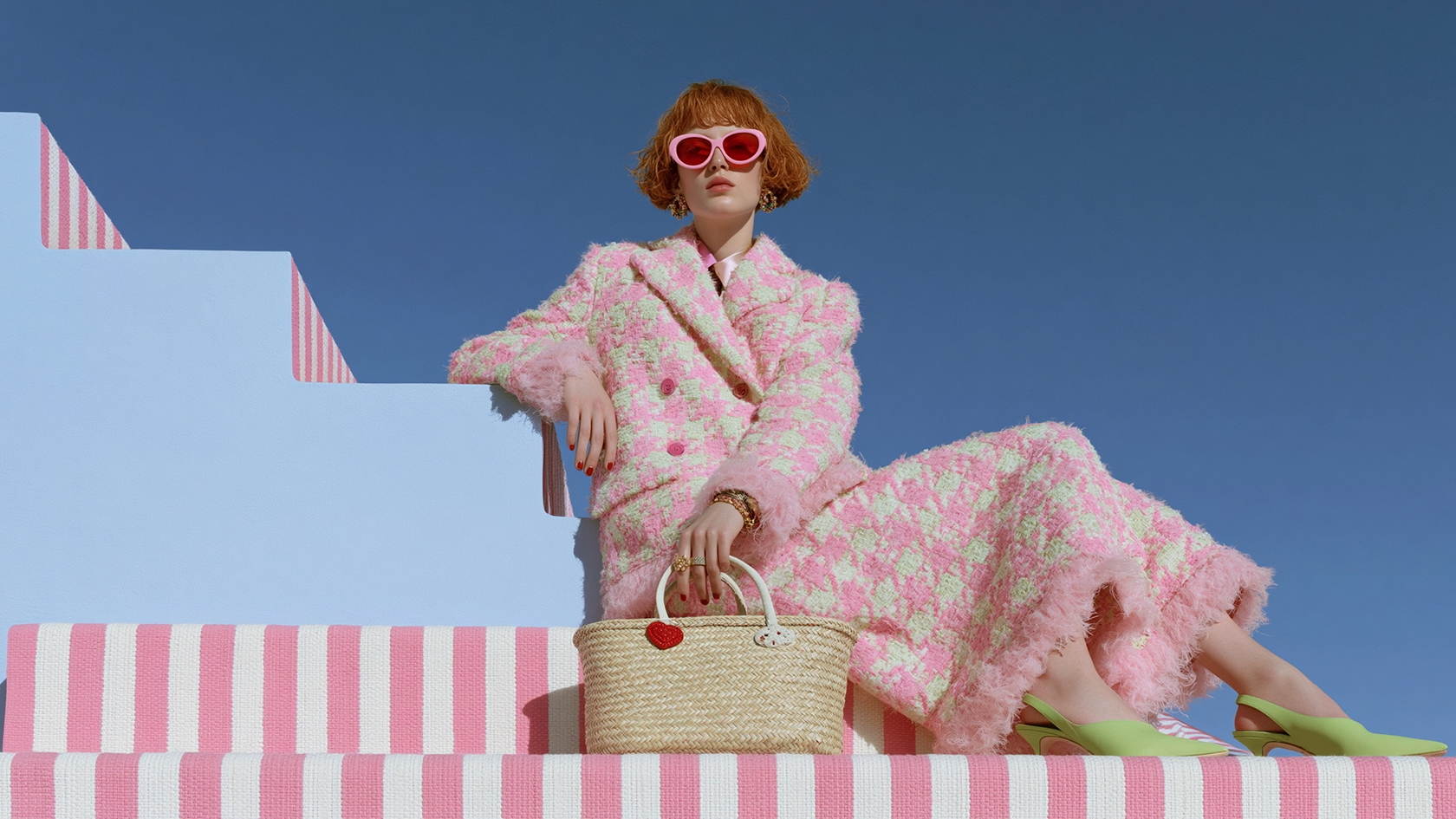
Atmosphere. Morning window light, marble, silk, a barbershop with brass. All of that is expensive to rent and slow to build, and it can be generated in an evening.
One light across the whole line. Five products shot in different months are always slightly different. Generated against one reference, they match.
Models and casting. Different markets need a different person in the frame. Casting and shooting in two countries turns into one working day.
Repeatability. In six months you'll add a product, and the scene can be rebuilt exactly — instead of hunting for where that table and that light were.
WHERE IT BREAKS
On the product itself. Generative models don't hold your bottle in memory; they draw a similar one every time.
Text goes first. The name, the ingredients, the small print on the label turn into letters that merely look like words. The logo stretches, loses detail, or gets swapped for an invented mark.
Then colour and material. Black drifts to charcoal, rose gold to yellow, matte packaging turns glossy, leather looks like plastic.
Then proportions. The cap is a little smaller, the corners a little rounder, the bottle a little slimmer. Each deviation is tiny, and together they give you a product the buyer won't recognise when they take it out of the box.
So the rule is simple: the scene, the light and the background are generated; the product itself is a real photograph, or the real packaging carefully placed into a generated environment.
You can invent the environment. You can't invent the product.
WHAT THE MARKETPLACES THINK
Beauty is beauty, but there are rules. Amazon requires the main image to be a realistic photograph of the product itself, and every image to represent it accurately. An AI scene is allowed on the secondary frames, as long as the product is shown honestly. For photorealistic people created by AI, the platform asks for a specific flag in the listing.
The underlying principle is the same everywhere: the image must not promise what isn't in the box. Volume that was painted in, a seam that disappeared, a colour brighter than the real one — that isn't design, it's a return and a bad review.
Platform rules change, so it's worth checking the seller help before you publish. A boring step that occasionally saves a whole line of listings.
HOW TO HOLD ONE STYLE
The reference first. One or two frames you like completely, and everything after is checked against them: light, angle, temperature, how dense the shadows are.
Then the constraints. One palette, one casting type, one way of cropping. The narrower the frame, the more the result reads as a brand rather than a pile of pretty pictures.
Then the culling. One frame out of twenty makes it into the project, and that's the normal arithmetic of this work.
And the final assembly by hand. Retouching, colour, typography on top. That layer is exactly what separates a brand's visuals from a feed of generations.
TIME
Generating is fast; the project doesn't become fast by itself. The time moves house: it used to go on the shoot day, now it goes on selection and finishing.
What does disappear is what usually slows things down most: agreeing the studio, the rental, shipping the product, waiting on retouching.
And you get the freedom to try. Don't like the scene — we build another one the same evening, not in two weeks plus one more crew day.
HOW I WORK
If the product itself matters in the frame and it carries text, I use a real photograph. I run an enormous number of generations, pick the closest one, and fix everything by hand in Photoshop. No prompt is worth a scrambled ingredient list on a label.
If the atmosphere, the model, the background or the season is what matters, I generate. Here AI wins on both speed and money.
If it's a product line, I generate the environment from a single reference and build everything around it, so the products stand in the same light.
And if you're not sure which case your product falls into, show me your packaging. It's usually obvious from that.
READ NEXT

Websites
2026-09-27
Taplink or Tilda: what to put in your profile link
Read
Websites
2026-09-20
What a Tilda website actually costs
Read
Archetypes
2026-09-19
The 12 brand archetypes: how character becomes design
Read
Websites
2026-09-18
Landing page, multi-page site or online store: how to choose
Read
DESIGNER
for your
BUSINESS
Olga Aleksandrova. Graphic and web designer.
all messengers
+7 (905) 280−87−09
all socials
lekso_design
© 2026 LEKSO DESIGN
Legal information [−]
BACK TO TOP ↑
Prices shown are for reference only and do not constitute a public offer. The final cost is agreed individually after a briefing and once the details are clear.
Olga Yurievna Aleksandrova · Tax ID (INN) 470805835223 · olga.u.alexandrova@yandex.ru
DESIGNER
for your
BUSINESS
Olga Aleksandrova.
Graphic and web designer.
all messengers
+7 (905) 280−87−09
all socials
lekso_design
Legal information [−]
Olga Yurievna Aleksandrova · Tax ID (INN) 470805835223 · olga.u.alexandrova@yandex.ru
Prices shown are for reference only and do not constitute a public offer. The final cost is agreed individually after a briefing and once the details are clear.
© 2026 LEKSO DESIGN
BACK TO TOP ↑